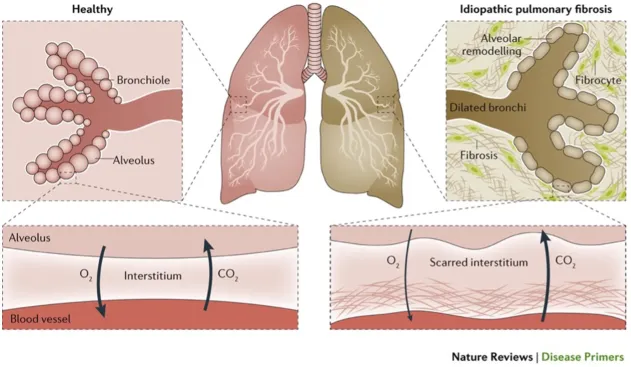
Interstitial disease most commonly refers to interstitial lung disease (ILD), also known as diffuse parenchymal lung disease. This is an umbrella term for a large group (over 200) of disorders that cause inflammation and/or scarring (fibrosis) in the interstitium—the tissue and space surrounding the tiny air sacs (alveoli) in the lungs.
This scarring thickens and stiffens the lung tissue, making it harder for the lungs to expand, fill with air, and transfer oxygen into the bloodstream. Over time, it leads to progressive breathing difficulties and reduced oxygen levels.
Key Facts About Interstitial Lung Disease (ILD)
- Common symptoms — Shortness of breath (especially during activity), dry cough, fatigue, and in advanced cases, clubbing of fingers or unintended weight loss.
- Causes — Vary widely and include:
- Long-term exposure to hazards (e.g., asbestos, silica dust, or certain chemicals).
- Autoimmune/connective tissue diseases (e.g., rheumatoid arthritis, scleroderma).
- Medications, radiation therapy, or infections.
- Unknown causes (idiopathic), with idiopathic pulmonary fibrosis (IPF) being the most common and severe form.
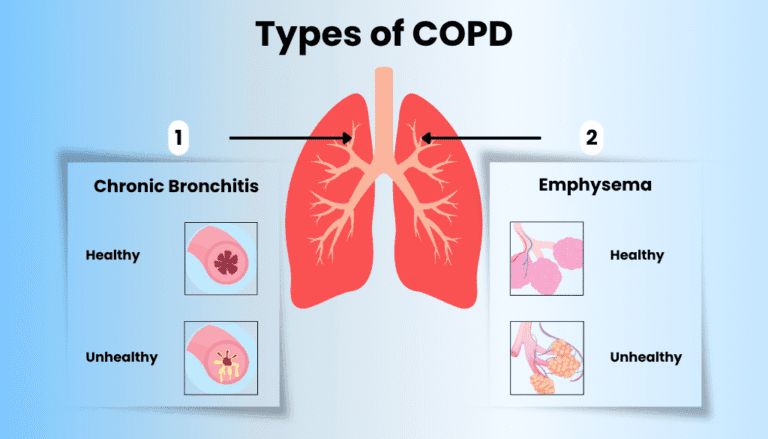
- Not the same as other lung issues like asthma, COPD, or lung cancer—it’s a distinct category of restrictive lung diseases.
- Progression — Many forms worsen over time and can lead to respiratory failure, though the speed varies by type.
- Treatment — Focuses on slowing progression (e.g., antifibrotic drugs like nintedanib or pirfenidone for certain types), managing symptoms (oxygen therapy, pulmonary rehab), treating underlying causes if known, and in severe cases, lung transplant. Early diagnosis improves outcomes.
Less commonly, “interstitial disease” can refer to interstitial nephritis (or tubulointerstitial nephritis), which is inflammation in the spaces between the kidney tubules, often due to medications, infections, or autoimmune issues, leading to kidney function problems.
If your query is about lungs (the far more frequent context), ILD is likely what you mean. If this relates to kidneys, symptoms of another organ, or a specific diagnosis, feel free to provide more details for clearer information! If you’re experiencing symptoms, consult a doctor (e.g., pulmonologist for lung concerns) for proper evaluation, as imaging like CT scans and lung function tests are key to diagnosis.
About the Author