Pulmonology also called pulmonary medicine, respiratory medicine, or sometimes chest medicine) is a medical specialty that focuses on the respiratory system — particularly the lungs, airways, and related structures involved in breathing.
It is a subspecialty of internal medicine. Doctors who specialize in this field are called pulmonologists (often nicknamed “lung doctors” or “lung specialists”).
What pulmonologists do
Pulmonologists diagnose, treat, and manage a wide range of conditions affecting breathing and lung function, including:
– Asthma
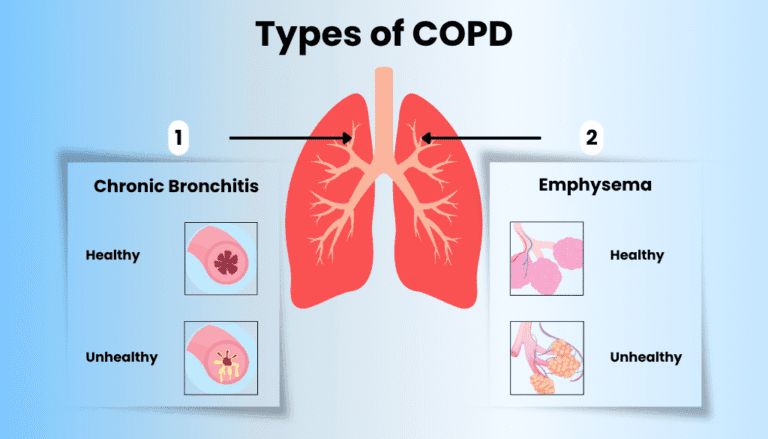
– Chronic obstructive pulmonary disease COPD and emphysema
– Pneumonia and other lung infections (including tuberculosis)
– Lung cancer
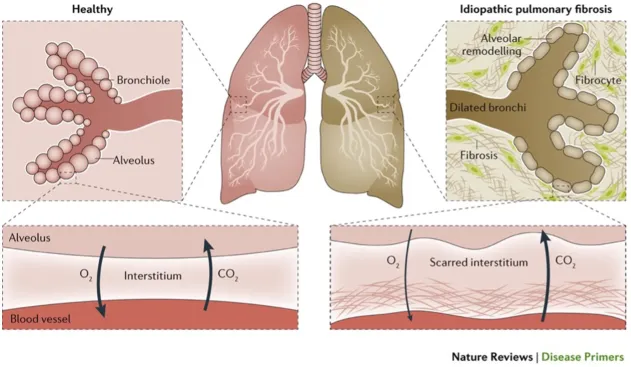
– Interstitial lung diseases and pulmonary fibrosis
– Pulmonary hypertension
– Sleep-related breathing disorders (like sleep apnea, often overlapping with sleep medicine)
– Occupational/environmental lung diseases (e.g., from asbestos or dust exposure)
– Cystic fibrosis
– Pleural diseases (issues with the lining around the lungs)
Many pulmonologists also have additional training in critical care medicine (managing patients in intensive care units who need ventilators or life support for severe respiratory failure) and some focus on sleep medicine.
When you might see a pulmonologist
Your primary care doctor usually refers you if you have persistent or complex breathing problems, such as:
– Chronic cough
– Shortness of breath
– Recurrent lung infections
– Abnormal chest imaging
– Difficulty breathing during exercise or at rest
– Need for specialized lung function testing or procedures like bronchoscopy
In short: Pulmonology = the branch of medicine dedicated to everything related to healthy (and unhealthy) lungs and breathing. If your lungs are the issue, a pulmonologist is typically the expert you want involved.
Courtesy :

About the Author