Infertility is generally defined as the inability to conceive
after 12 months or more of regular, unprotected sexual intercourse. For individuals over the age of 35, this window is typically shortened to 6 months.
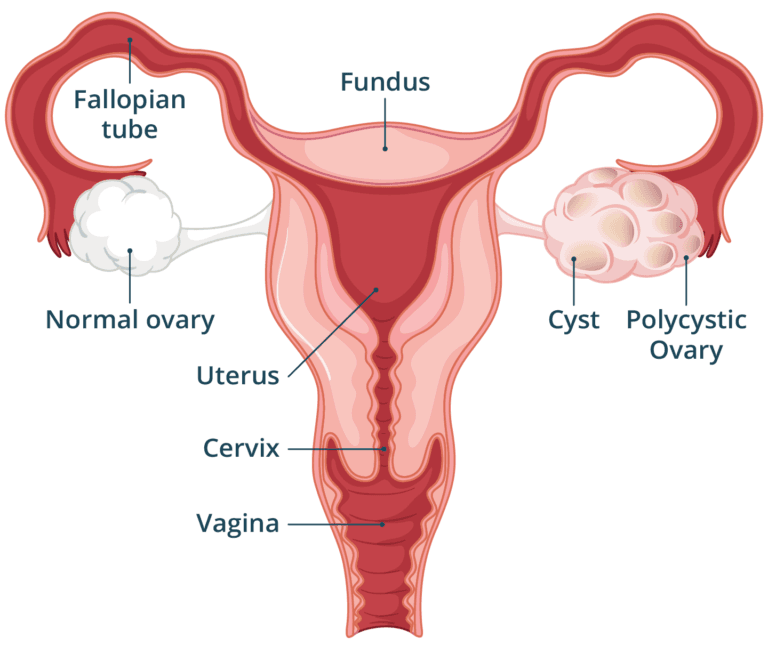
It is a complex condition that can affect anyone, regardless of gender, and often involves issues with reproductive health, hormones, or genetics.
Common Causes: The biological factors that can affect fertility in men and women, such as ovulation issues or sperm quality.
The Diagnosis Process: The types of tests and evaluations doctors use to identify why a couple might be having trouble conceiving.
Modern Treatments: An overview of options like lifestyle changes, medications, or assisted reproductive technologies like IVF.
About the Author